Miners' Guildhall
- Role
- Tank
- Strength
- Very high defence, low attack
- Resources
- Metals, gems, stone
- Crafts
- Weapons, armour, traps
Places, people and things
Shared maps, player-run villages, five districts with their own trades, and a very large amount of gear to chase.
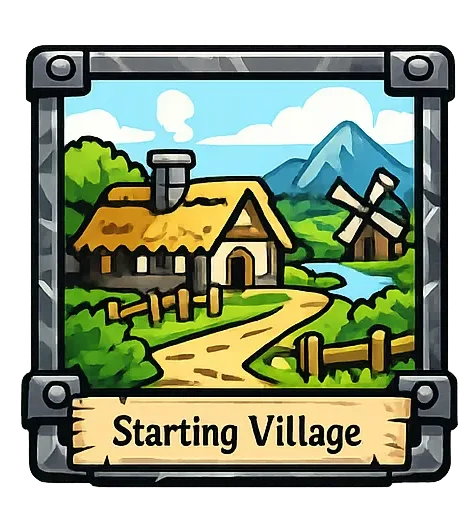
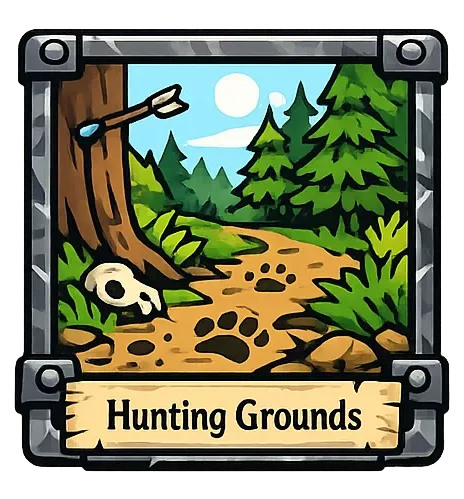
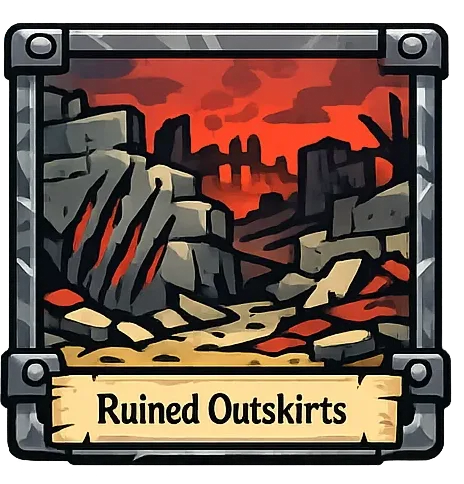
A village is a place and an organisation at once: its own map, its own storage, its own members and ranks.
Every account starts in a shared starting village. From there you can browse player-founded villages and request to join one, or spend Secret Fire to found your own and lead it.
Membership is permission-gated and server-authoritative: applications are accepted or declined by someone with the rank to do it, and promotions, demotions and discipline all go through the same authority. Leaders can post a notice that every member sees.
Villages hold fifty items in shared storage, and members deposit what they gather into it. Those deposits are what raise the village's level and unlock its district upgrades — which is why the village leaderboard is really a leaderboard of how well a group works together.
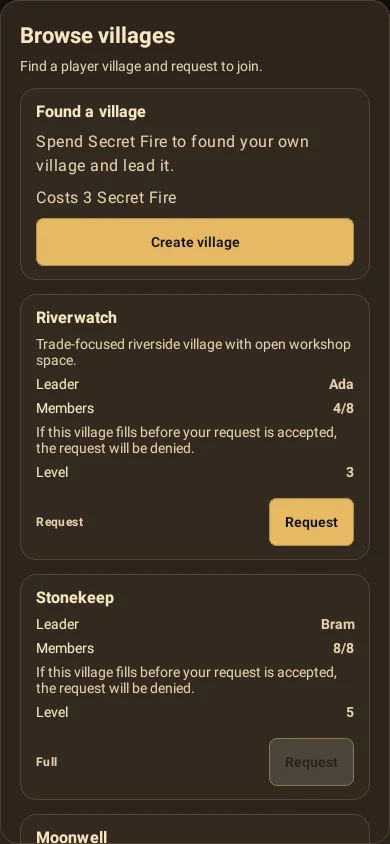
Each villager role belongs to a district. The district decides what you gather, what you can craft, and what its shop sells — and each one levels up separately as the village invests in it.



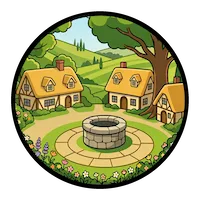
Above the districts sits the village: shared storage, the notice board, membership and ranks, and its own upgrade track that gates how far each district can go.
Gathering feeds crafting, crafting feeds the shop, and the shop feeds everyone else in the village.
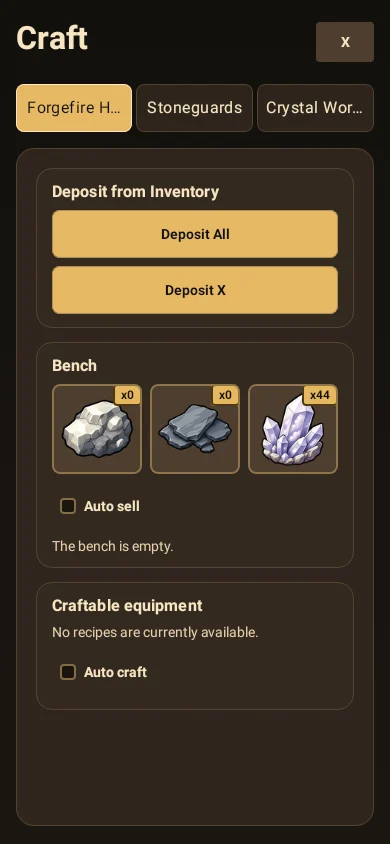
Work the tiles your district's resource family covers. What drops is rolled server-side.
Move what you carried into the district pool. Deposit one stack, or empty your bags in one action.
Spend the pool at the district bench. Recipes unlock as the district levels, and each roll adds its own bonuses on top of the base stat.
Keep the better roll, or list the old one in the district shop for other members to buy.
Ten equipped slots — weapon, shield, armour, cape, gloves, belt, boots, ring, necklace and pet — across sixty material families that run from plain iron to phoenix, kraken and shadow. A sample:


Equipped gear survives death. Only what you were carrying loose is lost, which makes the choice of when to head home a real one.
What you pull out of the ground, the woods and the wildlife.






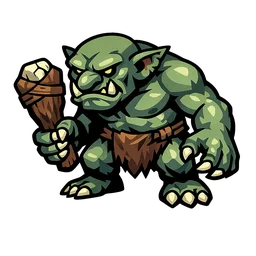
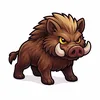
The wildlife villagers hunt — and that hunts them back. Higher-level animals hit harder and drop better.
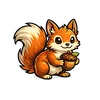
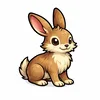
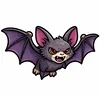
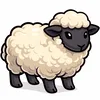
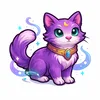
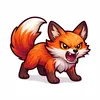

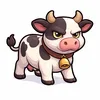
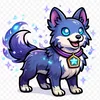

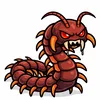
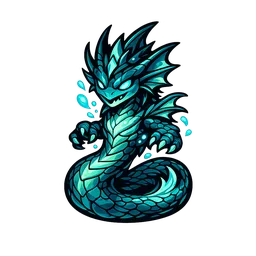
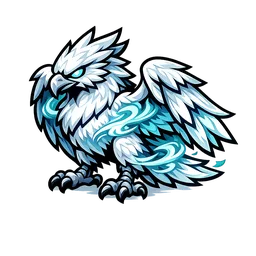
Monster characters progress along one of four elemental lines, and their form changes as they climb.
Fire, water, air and physical each have their own art and their own feel. Monsters spawn from camps rather than villages, and cannot be attacked while they are standing on one.
Groups of monsters hold a den. Dens have health, take siege damage, and can be destroyed — so holding one is a shared job, the mirror image of raising a village.